I Am Now the Proud Owner of a Lathe.
Everyone's talking about Young Sheldon, but I like Old Sheldon
This article is dated to reflect the time of development/completion, not writing.
I am now the proud owner of a lathe
— central valley odysseus (@sandinbrain) April 2, 2026
Yes.
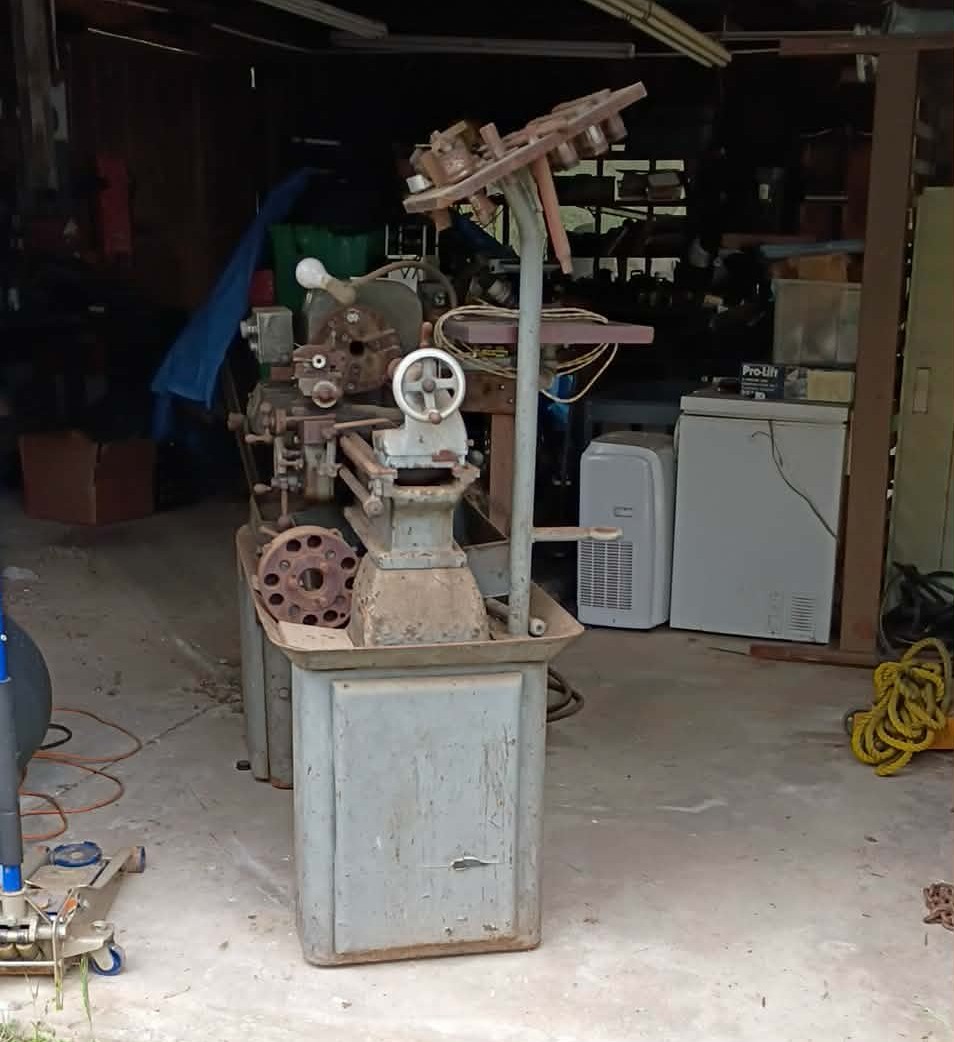
A Sheldon MW56P. Swings 13”. 56” bed. 2HP.
Take a look at that.
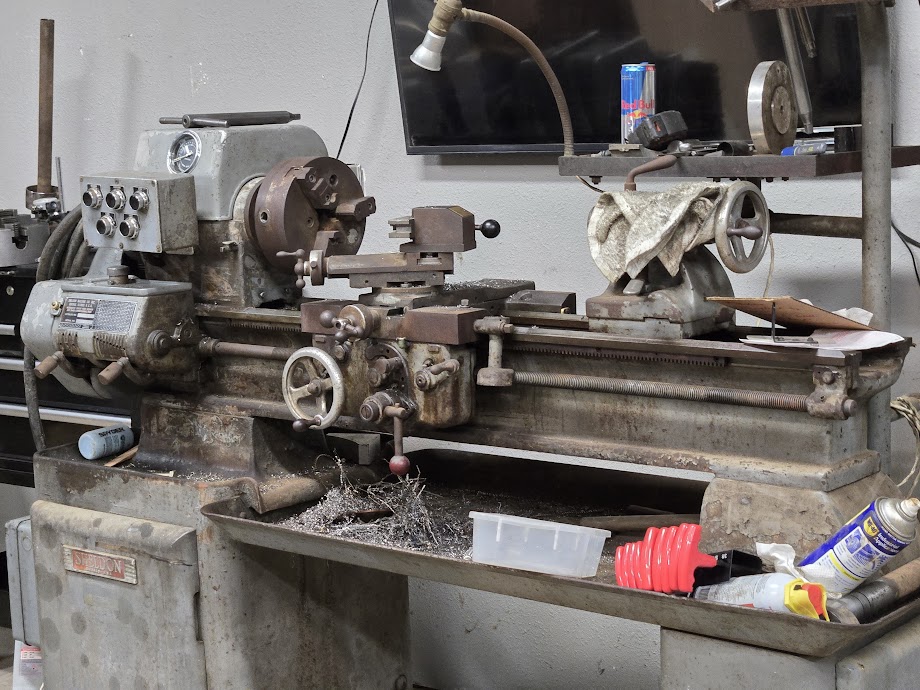
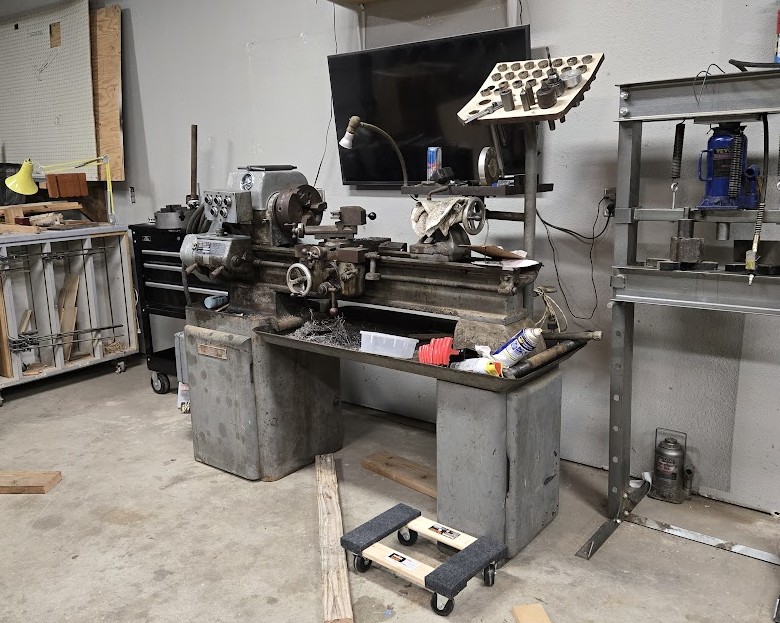
$500.
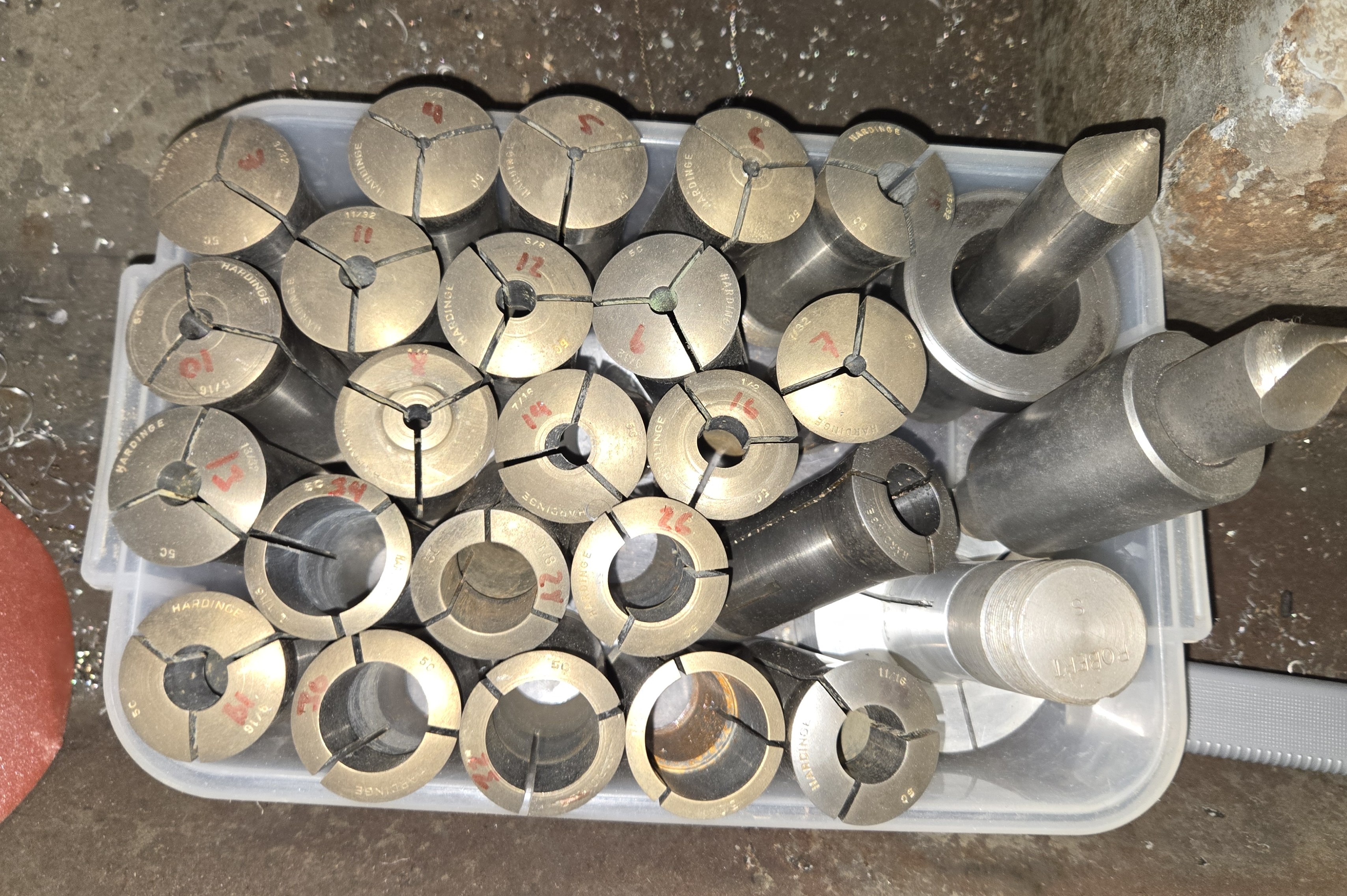
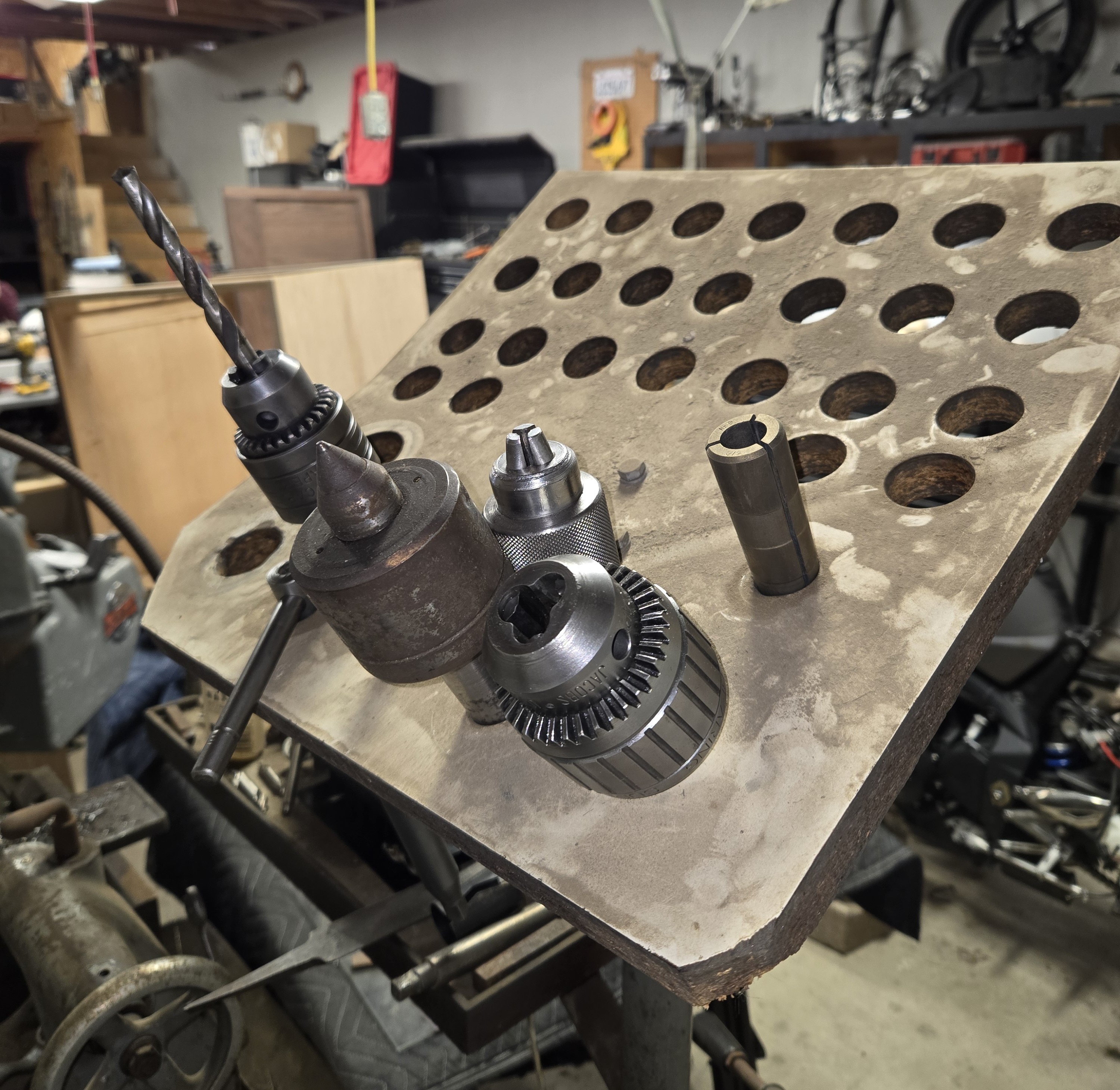
Collets. Hardinge. Draw Bar.
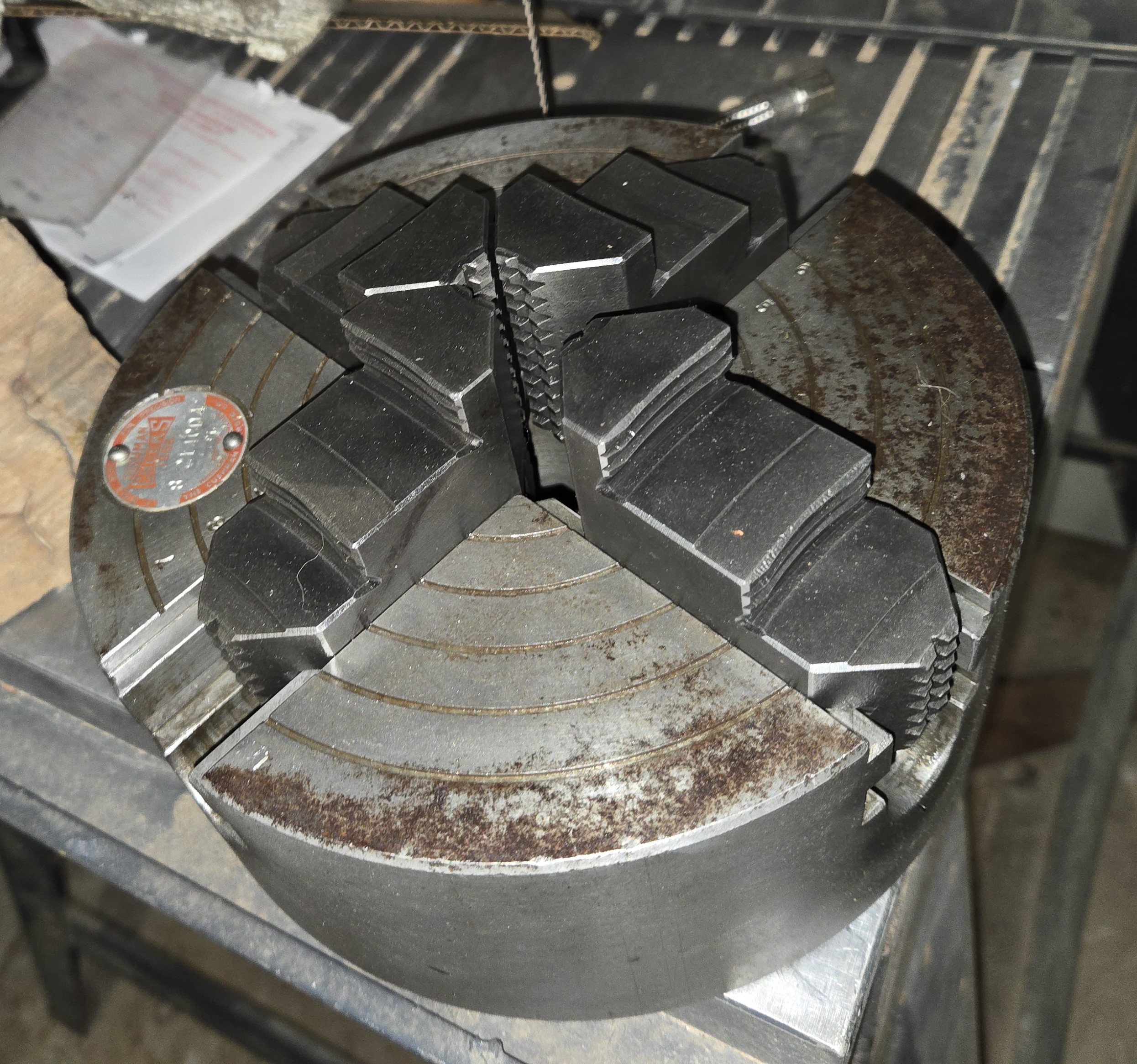
Chucks.
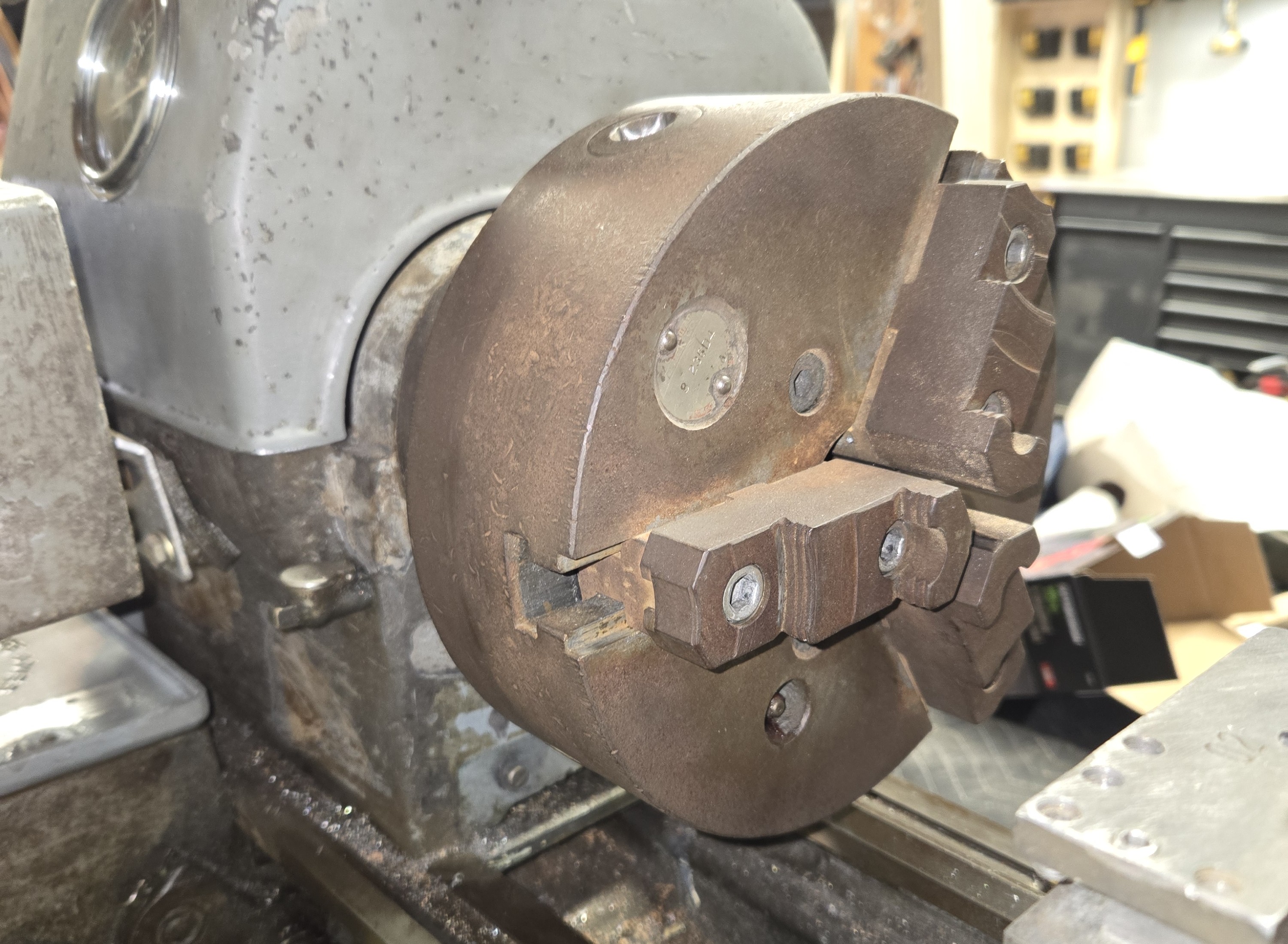
Drill Arbors. 20yo Grease.
Ok, that’s enough of that, cut the applause, enough fanfare.
The thing needs a lot of work. There’s a broken headstock gear. The carriage doesn’t like to move past about halfway across the bed. The belts smell like burning tires above 1000 rpm. Everything within a foot of the chuck is covered in a solid 1/8” of caked grease and chips.
It was sitting in the garage of some hick (fondly) in the Sierra Nevada Hills, who said that he’d hauled it up from a machine shop closing up in Los Angeles 20 years ago and parked it there; “it ran when I parked it.”
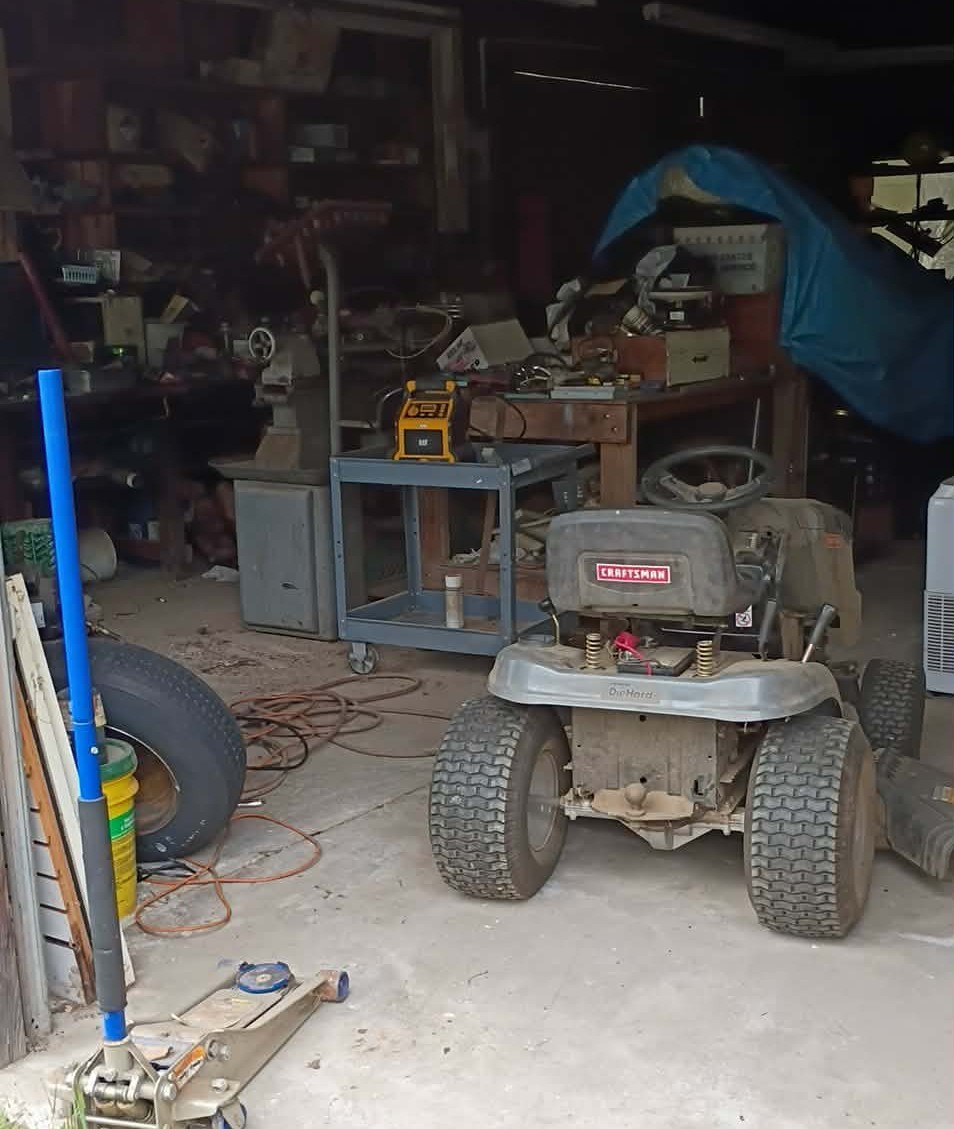
He’d listed it for $650, and I shot him an offer for $500, accepted. I rented a drop bed trailer from Sunbelt for $110 and pulled it up with a come-along with a nasty burr that sliced my thumb.
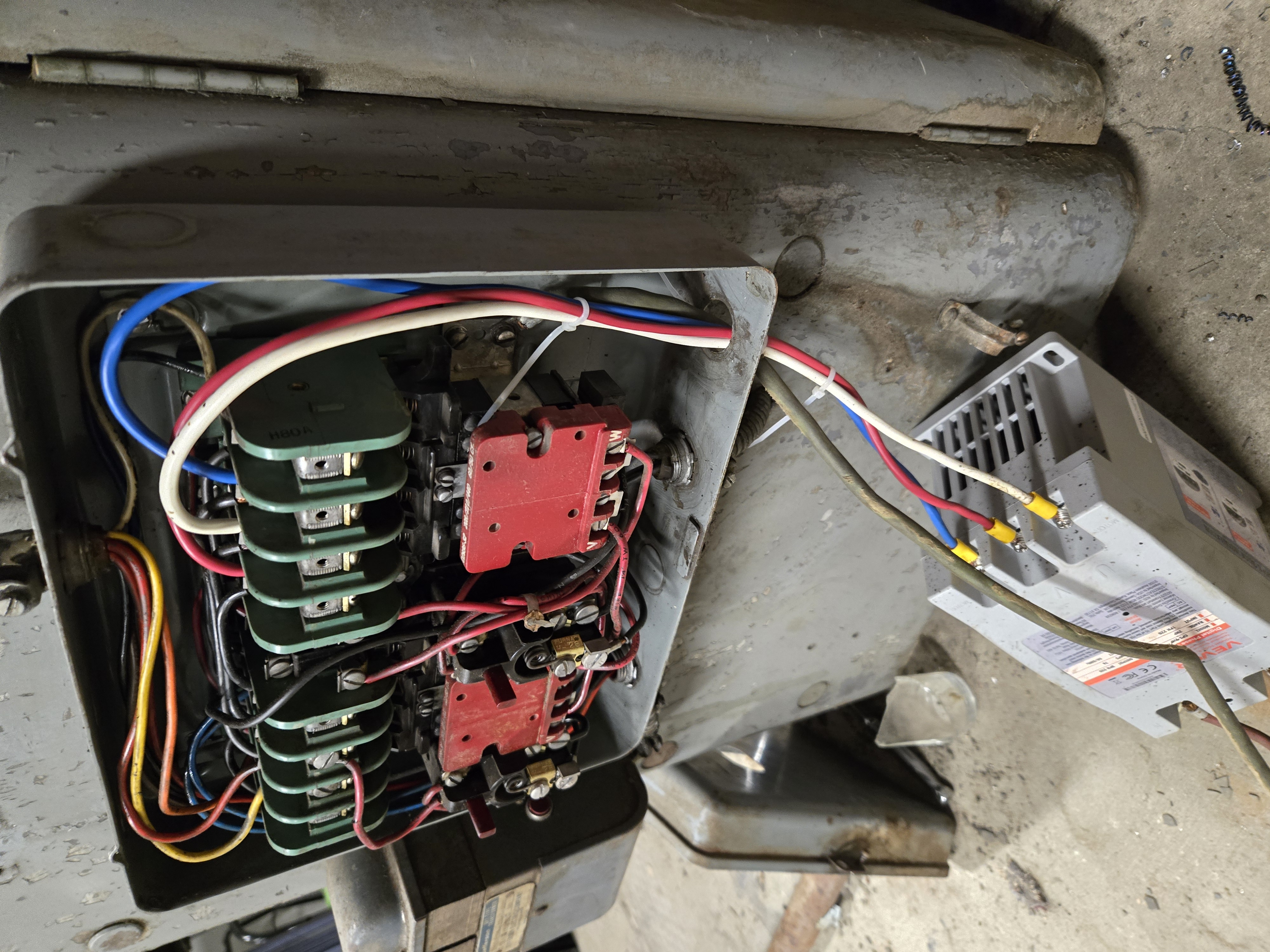
And 90 miles back home. I got it in the shop and left for 3 days to Seattle. By the time I got back, my VEVOR Digital Phase Shifter had arrived– a very trust inspiring $75– that does in fact start up the machine perfectly well after some buzzing (I only tripped the breaker once wiring it). I will eventually put this in a cabinet so the terminals and electronics are not exposed to the elements.
Here’s a picture of the starter cabinet, still with the original input cord. This picture is also illustrative of the grime collected on the sides of the cabinet. This is a reversing starter, which means there’s actually two different starters, with the one on the left wired opposite the right. Notice the wires leading to the transformer on the left. This is a stepdown transformer that controls a 1RPM gear motor on the rear that changes the drive ratio.
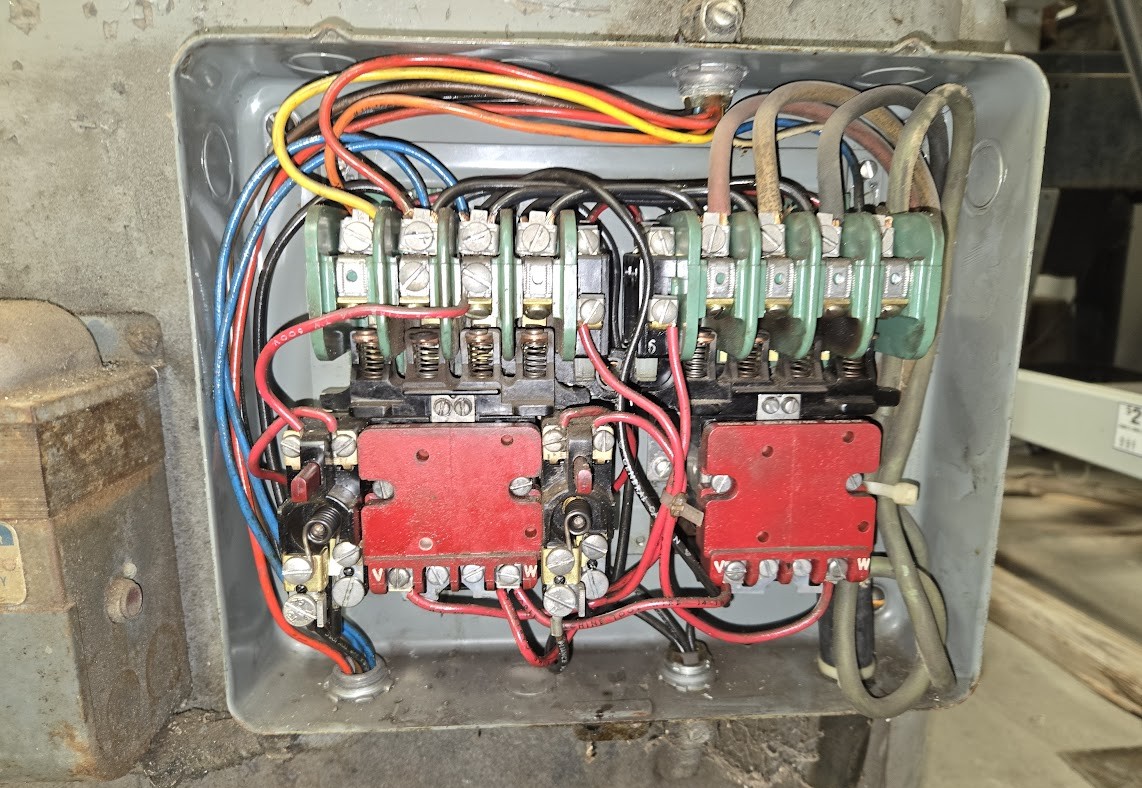
I put red and black (plus ground) of the original cord (generous, 6-4 and maybe 20 ft long) on to the Line and Neutral inputs of the phase convertor and the other end to a NEMA 6-50P plug. Figuring out how to connect the phases was confusing until I noticed the V and W on the bottom of the right coil.
The lathe came with quite a few accoutrements, many of them quite “premium”, but owing to its age, the actual tooling offerings are subpar: chipped brazed carbide and some fairly good HSS tools, including a very nice parting tool. The compound is equipped with a KDK QC tool post, and a number of toolholders.
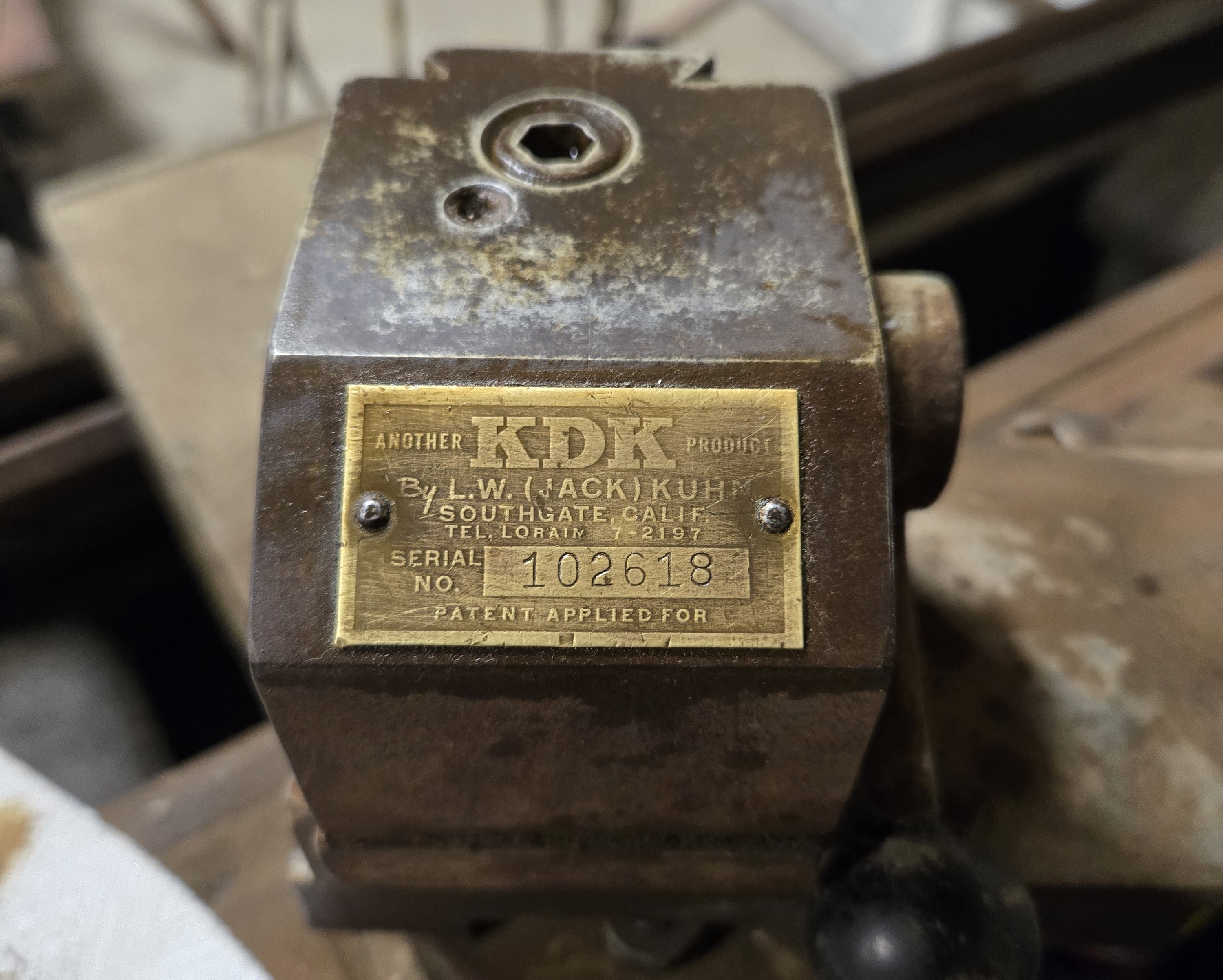
The toolholders are made to hold HSS blanks, and are thus undersized for the larger shanks of modern carbide insert holders. Some of them have been milled out to accommodate the larger shanks of some of the old brazed carbide tooling, but again-insufficient length for modern tooling.
I’ve picked up some Amazon-special 10mm shank tooling, a little undersized perhaps but fine for $40. The boring and internal threading bars are also 10mm shank, much too small for what I think is the boring bar holder.
I’ve also picked up some toolboxes on Marketplace, one of which I’ve selected to hold the lathe tooling and other accoutrements.
Anyhow, this will inevitably be a wellspring of projects, many of which I foresee myself not completing for years.